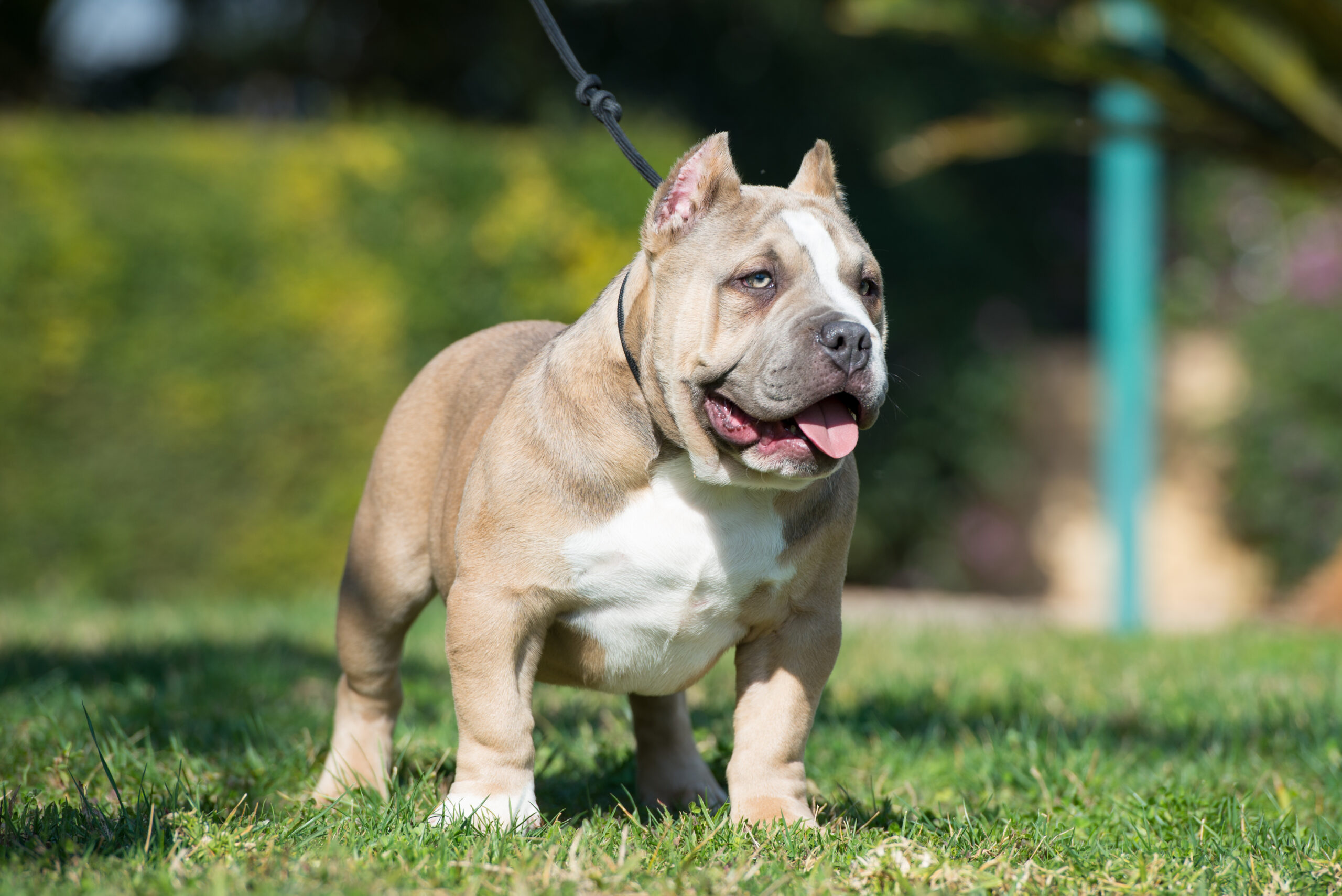
Category: Micro Bully Health & Wellness
Focus Keyword: micro bully health
Slug: micro-bully-health-wellness
Micro Bullies are known for their:
- compact builds,
- muscular appearance,
- strong presence,
- and loyal personalities.
But like all dogs, their long-term quality of life depends heavily on:
- genetics,
- structure,
- nutrition,
- exercise,
- weight management,
- and responsible ownership.
As the popularity of Micro Bullies continues growing, health education has become increasingly important for both current and future owners.
Understanding:
- common health concerns,
- responsible breeding,
- proper care,
- and preventative wellness
helps owners make better decisions and support healthier dogs long-term.
This guide explains:
- Micro Bully health considerations,
- mobility support,
- exercise balance,
- nutrition,
- and wellness practices owners should understand.
Understanding Micro Bully Health
Micro Bully health can vary depending on:
- genetics,
- structure,
- bloodlines,
- breeding practices,
- lifestyle,
- and long-term care.
Properly bred Micro Bullies should ideally maintain:
- stable movement,
- balanced structure,
- healthy mobility,
- and overall comfort.
Like many compact muscular breeds, owners should pay close attention to:
- weight management,
- breathing quality,
- mobility,
- skin condition,
- and activity levels.
Health should always be prioritized above:
- exaggeration,
- extreme appearance,
- or social media trends.
Why Structure Matters for Health
Structure directly affects:
- movement,
- balance,
- comfort,
- and long-term mobility.
Micro Bullies with balanced structure often move more comfortably and efficiently than dogs with excessive exaggeration.
Poor structure may sometimes contribute to:
- joint stress,
- mobility limitations,
- instability,
- or movement difficulties.
Responsible breeders generally prioritize:
- movement,
- proportions,
- balance,
- and functionality.
➡ Related Reading:
Micro Bully Structure & Build
Weight Management & Mobility
Maintaining healthy body weight is extremely important for compact muscular breeds.
Excess weight may place additional stress on:
- joints,
- movement,
- feet,
- and overall structure.
Owners should focus on:
- balanced nutrition,
- controlled portions,
- moderate exercise,
- and healthy body condition.
Healthy mobility often depends on:
- proper muscle tone,
- conditioning,
- and responsible weight management.
Exercise & Physical Activity
Micro Bullies generally benefit from:
- moderate exercise,
- controlled activity,
- and consistent routines.
Helpful activities may include:
- walks,
- obedience work,
- enrichment toys,
- and supervised play.
While many Micro Bullies enjoy relaxing indoors, physical activity still plays an important role in:
- mobility,
- mental stimulation,
- and healthy weight management.
Overexertion or excessive impact should generally be avoided, especially in dogs with structural concerns.
➡ Related Reading:
How Much Exercise Does Your Dog Really Need?
Nutrition & Feeding
Proper nutrition supports:
- muscle development,
- energy levels,
- coat condition,
- mobility,
- and overall wellness.
Owners should focus on:
- quality ingredients,
- balanced feeding,
- proper hydration,
- and portion control.
Helpful feeding tools may include:
- slow feeder bowls,
- elevated bowls,
- and food storage containers.
Recommended Product:
Slow Feeder Dog Bowl
Slow feeders may help improve digestion and encourage healthier eating habits.
👉 View Slow Feeder Dog Bowls on Amazon
Breathing & Comfort Considerations
Some compact bully dogs may occasionally experience:
- breathing difficulties,
- heat sensitivity,
- or reduced exercise tolerance
depending on: - structure,
- muzzle length,
- conditioning,
- and overall health.
Owners should monitor:
- breathing quality,
- overheating,
- excessive panting,
- and physical comfort during activity.
Responsible breeding should prioritize:
- functionality,
- comfort,
- and healthy movement.
Skin & Coat Care
Micro Bullies often have:
- short coats,
- manageable grooming needs,
- and relatively simple maintenance routines.
However, owners should still monitor:
- skin irritation,
- dryness,
- allergies,
- and coat condition.
Helpful care routines may include:
- regular bathing,
- skin checks,
- brushing,
- and proper nutrition.
Joint Support & Long-Term Wellness
Joint care becomes increasingly important as dogs age.
Owners often support long-term wellness through:
- healthy weight management,
- moderate exercise,
- supportive bedding,
- and mobility-friendly routines.
Comfort-focused products may help improve:
- recovery,
- rest,
- and overall support.
Recommended Product:
Orthopedic Dog Bed
Supportive beds may help reduce pressure on joints and improve comfort.
👉 Shop Orthopedic Dog Beds on Amazon
➡ Related Reading:
Best Dog Beds for Support and Comfort
Responsible Breeding & Health Awareness
Responsible breeding plays a major role in long-term health outcomes.
Breeders should ideally prioritize:
- structure,
- movement,
- mobility,
- temperament,
- and overall wellness.
Potential owners should carefully research:
- breeder practices,
- bloodlines,
- structure,
- and breeding goals before bringing home a puppy.
➡ Related Reading:
Responsible Micro Bully Breeding Practices
➡ Looking for responsibly bred Micro Bullies?
Visit Capcity Bullys
Best Products for Micro Bully Wellness
Helpful wellness products may include:
- orthopedic beds,
- slow feeder bowls,
- durable harnesses,
- enrichment toys,
- and mobility-support accessories.
Recommended Product:
Tactical Dog Harness
A supportive harness designed for compact muscular breeds.
👉 View Tactical Dog Harnesses on Amazon
➡ Explore More Products:
All Breeds Dog Store
Final Thoughts
Micro Bully health involves much more than appearance alone. Long-term wellness is heavily influenced by:
- responsible breeding,
- balanced structure,
- healthy weight management,
- exercise,
- nutrition,
- and consistent care.
Owners who prioritize:
- mobility,
- comfort,
- structure,
- and overall health
are often better prepared to support healthier and more balanced dogs.
As the Micro Bully community continues growing, responsible health education and realistic ownership expectations remain essential for the future of the breed type.